

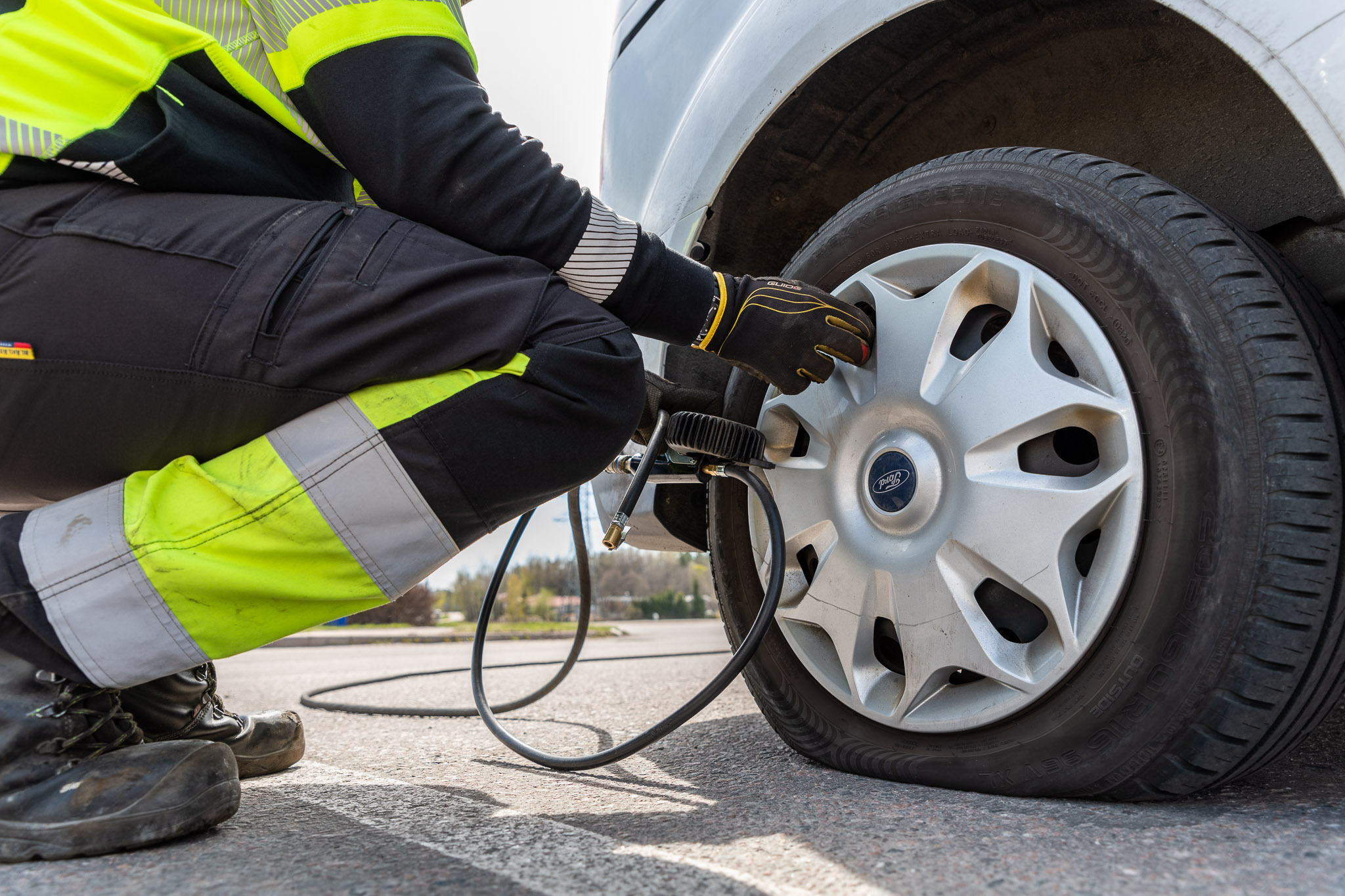
Summer Tyre Season Is Here – When Should You Change to Summer Tyres?
As spring approaches, many drivers start wondering when it is the right time to switch to summer tyres. Although the sun may already be warming the roads, overnight frost and unexpected snowfall can still create challenging driving conditions. When changing tyres, the most important factor is not the calendar date but the actual weather and road conditions.
When Can You Change to Summer Tyres in Finland?
In Finland, there is no fixed date when drivers must switch to summer tyres. Under Finnish road traffic legislation, winter tyres must be used from the beginning of November until the end of March whenever weather or road conditions require them.
This means you can change to summer tyres as early as March if conditions are suitable. However, if roads are still snowy, icy or slippery, it is safer to continue using winter tyres.
Before changing your tyres, consider the following:
- Weather forecast: Are overnight temperatures expected to drop below freezing? Is snowfall still possible?
- Driving conditions: Do you mainly drive in urban areas, or do you also travel on smaller roads where ice may remain?
- Travel plans: Are you planning a trip to Northern Finland, where winter conditions can continue well into spring?
- Tyre condition: Are your summer tyres in sufficiently good condition for safe driving?
There is no need to rush the change to summer tyres. Waiting a few extra days can be much safer than driving on slippery roads with unsuitable tyres.
Changing Tyres Yourself or Using a Professional?
You can change your tyres yourself if you have the appropriate tools and sufficient experience. However, having your tyres changed by a professional is often the safest and most convenient option.
A tyre specialist can also inspect the condition of your tyres, check tyre pressures and identify potential damage. Many tyre shops offer seasonal tyre storage services, making the process even more convenient.
How to Change Your Tyres Safely
If you decide to change your tyres yourself, make sure you have the correct equipment and a safe working environment.
- Choose a flat, stable surface. Never lift a vehicle on soft or uneven ground.
- Secure the vehicle. Apply the parking brake and follow the vehicle manufacturer’s instructions.
- Use the correct lifting points. Check your vehicle’s owner’s manual to identify the approved lifting locations.
- Use suitable lifting equipment and axle stands when necessary. Never work underneath a vehicle supported only by a jack.
- Tighten the wheel bolts to the correct torque. Use a torque wrench and follow the manufacturer’s specifications.
- Check tyre pressures. Adjust them according to the vehicle manufacturer’s recommendations.
- Check the wheel bolt tightness after driving. Follow the instructions provided by the vehicle and wheel manufacturers. A follow-up torque check is often recommended after approximately 50–100 kilometres.
Remember that the jack supplied with your vehicle is generally intended for temporary use, such as changing a wheel after a puncture. For regular seasonal tyre changes, we recommend using equipment specifically designed for the task.
Check the Condition of Your Summer Tyres Before Fitting Them
Tyres are among the most important components affecting vehicle safety. They provide the only contact between your vehicle and the road, directly influencing grip, steering response and braking distance.
Before fitting your summer tyres, carefully inspect their tread depth and overall condition.
Summer Tyre Tread Depth – What Is the Safe Limit?
The legal minimum tread depth for summer tyres in Finland is 1.6 millimetres. However, from a safety perspective, tyres should be replaced well before reaching this limit.
We recommend replacing summer tyres when the tread depth approaches three millimetres.
Worn tyres lose performance, particularly on wet roads. As the tread becomes shallower, the tyre’s ability to disperse water decreases, increasing the risk of aquaplaning.
In addition to tread depth, check for cracks, bulges, uneven wear and other visible damage.
When Should Summer Tyres Be Replaced?
It may be time to invest in new summer tyres if:
- The tread depth is insufficient for safe driving.
- The tyres show visible cracks, bulges or other damage.
- The tread has worn unevenly.
- The tyres have aged and their performance has deteriorated.
- Grip on wet roads has noticeably decreased.
When choosing new tyres, make sure they meet your vehicle manufacturer’s specifications. Consider factors such as tyre size, wet grip, noise level and overall performance.
High-quality tyres that are suitable for your vehicle improve both driving comfort and road safety.
Correct Tyre Pressure Improves Safety and Extends Tyre Life
Checking tyre pressure is an essential part of seasonal tyre maintenance. Incorrect tyre pressure can affect handling, increase tyre wear and influence fuel consumption.
The recommended tyre pressures can usually be found in your vehicle’s owner’s manual or on a label inside the driver’s door frame.
Tyre pressures should be checked regularly when the tyres are cold, especially before longer journeys.
If your vehicle is equipped with a tyre pressure monitoring system (TPMS), remember to reset or recalibrate it when necessary, following the manufacturer’s instructions.