
Engine Warning Light – What Does It Mean and Is It Safe to Keep Driving?
An engine warning light can be worrying, especially when it comes on in the middle of a journey.

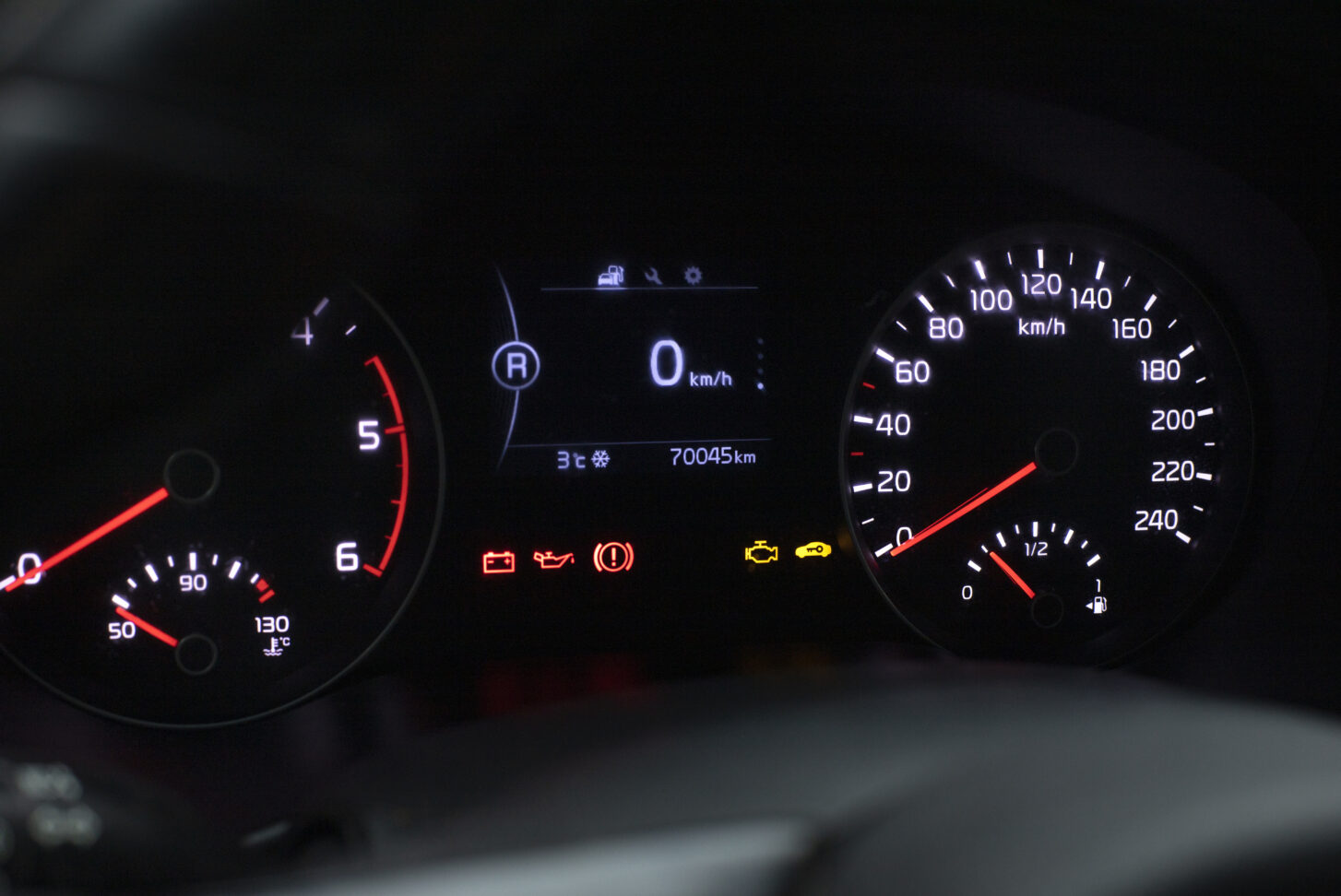
Why Does the Engine Warning Light Come On?
MThere are several possible reasons why the engine warning light may illuminate. The problem could be caused by a faulty sensor, an ignition system malfunction, or a more serious issue affecting engine performance.
Common causes of an illuminated engine warning light include:
- Faulty oxygen sensor (lambda sensor): A malfunctioning sensor that measures oxygen levels in the exhaust gases can affect fuel consumption and emissions.
- Spark plug or ignition coil problems: Ignition faults can cause engine misfires, rough idling, hesitation, and reduced performance.
- Fuel system problems: Issues with fuel delivery can affect engine operation.
- Mass airflow sensor malfunction: Incorrect airflow measurements can interfere with the engine’s air-fuel mixture.
- Exhaust emissions system faults: Problems with the catalytic converter, EGR system, or diesel particulate filter can trigger the warning light.
- Loose fuel cap or evaporative emissions system fault: In some vehicles, even an improperly secured fuel cap can cause the engine warning light to come on.
The warning light alone cannot identify the exact problem. Reading the vehicle’s diagnostic trouble codes and carrying out further diagnostics is often necessary.
Can You Drive with the Engine Warning Light On?
Whether you can continue driving depends on how the warning light behaves and whether your vehicle shows any other symptoms.
Yellow Engine Warning Light Stays On
If the yellow or orange engine warning light stays on continuously but the vehicle otherwise operates normally, the problem may not require an immediate stop.
However, avoid hard acceleration and putting unnecessary strain on the engine. Have the problem investigated as soon as possible, and always follow the vehicle manufacturer’s instructions.
Engine Warning Light Is Flashing
A flashing engine warning light is a serious warning that requires immediate attention.
It may indicate an engine misfire or another fault that could damage the catalytic converter or other engine components.
Reduce engine load, pull over safely as soon as possible, and switch off the engine. Do not continue driving until the situation has been assessed.
Engine Warning Light Is On and the Car Is Jerking
If the warning light is accompanied by jerking, shaking, loss of power, or rough engine operation, the vehicle may have a fault affecting engine performance.
Continuing to drive could make the problem worse and cause additional damage. Stop in a safe location and contact a professional for assistance.
What Should You Do If the Engine Warning Light Comes On While Driving?
Vilkkuva moottorin vikavalo on merkki häiriöstä, johon tulee suhtautua vakavasti. Taustalla voi olla esimThe most important thing is to remain calm, assess the situation, and prioritise safety.
1. Check how your vehicle is behaving
Pay attention to whether the engine is running smoothly, whether power has decreased, or whether you hear unusual noises. Check for any additional dashboard warning lights.
2. Decide whether it is safe to continue driving
If the engine warning light is flashing, the vehicle is jerking severely, or a red warning light such as the oil pressure or engine temperature warning appears, stop safely and switch off the engine.
3. Move to a safe location if possible
If the vehicle is still safe to operate, move it away from traffic. On motorways or other dangerous roads, prioritise the safety of yourself and your passengers.
4. Contact roadside assistance
If you are unsure whether your vehicle is safe to drive, do not take unnecessary risks. We can help assess the situation and arrange vehicle diagnostics or towing if needed.
Engine Warning Light Is On and the Car Is Jerking
If the warning light is accompanied by jerking, shaking, loss of power, or rough engine operation, the vehicle may have a fault affecting engine performance.
Continuing to drive could make the problem worse and cause additional damage. Stop in a safe location and contact a professional for assistance.
Engine Warning Light Is On, but the Car Drives Normally
Sometimes the engine warning light comes on even though there are no noticeable changes in how the vehicle drives. The engine may run smoothly, acceleration may feel normal, and there may be no unusual noises.
However, this does not mean the warning light can be ignored.
The cause could be a sensor malfunction or an emissions system fault that has not yet affected the vehicle’s performance. Over time, the problem may become more serious.
We recommend having the cause investigated as soon as possible, even if the vehicle appears to be operating normally.
The Engine Warning Light Went Off by Itself – Has the Problem Been Fixed?
The engine warning light may occasionally turn off on its own. This can happen when the vehicle’s system no longer detects a temporary malfunction.
However, the light going out does not necessarily mean the underlying problem has been resolved.
A diagnostic trouble code may still be stored in the vehicle’s system, allowing the issue to be investigated later. If the warning light comes on again or the vehicle starts behaving unusually, we recommend having it checked.
Can a Car Pass Its Vehicle Inspection with the Engine Warning Light On?
An illuminated engine warning light may result in a failed vehicle inspection if it indicates a malfunction affecting emissions.
During Finland’s periodic vehicle inspection, emissions systems and the vehicle’s technical condition are checked. An engine management fault may affect the inspection result depending on the vehicle’s fuel type, age, and applicable inspection requirements.
We recommend identifying and repairing the fault before the inspection. Simply clearing the diagnostic trouble code will not solve the problem if the underlying fault remains.
Vehicle Diagnostics Help Identify the Problem
The cause of an engine warning light cannot always be determined from the vehicle’s symptoms alone. Reading diagnostic trouble codes helps identify which system is affected and what further checks may be required.
Our roadside assistance vehicles are equipped as mobile workshops, including diagnostic equipment suitable for a wide range of vehicles. Depending on the situation, we can read fault codes at the roadside and assess whether it is safe to continue driving.
If the problem cannot be resolved on-site or the vehicle is unsafe to drive, we can arrange towing to a suitable repair workshop.
Frequently Asked Questions About the Engine Warning Light
If the yellow engine warning light stays on continuously and the vehicle operates normally, a short drive to a repair workshop may be possible. However, if the light is flashing, the engine is misfiring, or other serious symptoms appear, you should stop driving.
It is usually normal for the engine warning light to illuminate briefly when the ignition is switched on. It should turn off once the engine starts. If it stays on, the system may have detected a fault.
A flashing engine warning light may indicate a serious engine misfire or another engine malfunction. Pull over safely as soon as possible and seek professional assistance.
Yes. Cold temperatures can reveal problems with sensors, electrical systems, or engine operation. However, cold weather should not automatically be assumed to be the cause.
In some cases, the warning light can be reset using diagnostic equipment. However, clearing a fault code does not repair the underlying problem. We recommend identifying the cause before resetting any codes.
If your vehicle is unsafe to drive, stop in a safe location and contact our roadside assistance service. We operate 24/7 and can arrange the most suitable solution for your situation.