Car Dashboard Warning Lights
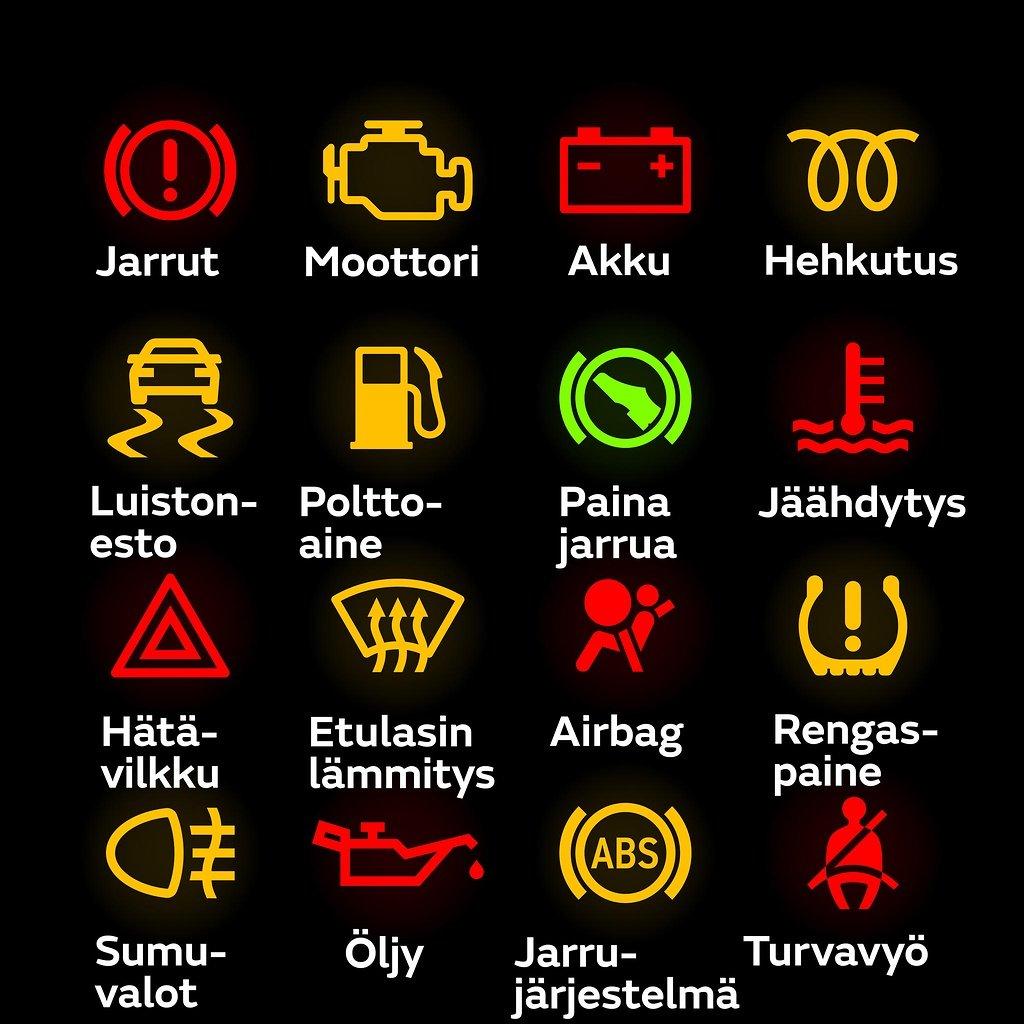
A warning light appearing on your car’s dashboard can be concerning, especially if you are unsure what it means. However, not every warning light indicates a serious problem. Some simply provide information about your vehicle’s normal operation, while others warn of faults that require immediate attention. In this guide, we explain the most common car dashboard warning lights, what they mean and what you should do when they appear.
What do the warning lights on the dashboard mean?
Dashboard warning lights are an essential part of your vehicle’s safety and monitoring systems. They alert you to potential problems with the engine, brakes, battery and other technical components.
If a warning light comes on while driving, the most important thing is to understand how serious the situation is. Taking the right action can prevent further damage and help you continue your journey safely.
Dashboard Warning Light Colours – Red, Yellow and Green
The colour of a dashboard warning light often indicates how urgently you need to respond. However, the exact meaning depends on the vehicle’s make, model and warning symbol.
Red Warning Light – Stop Safely
A red warning light usually indicates a serious problem or a situation requiring immediate attention.
A red warning light may indicate:
- Low engine oil pressure
- Engine overheating
- Brake system malfunction
- Charging system failure
If a red warning light appears while driving, stop in a safe location as soon as possible. Check your vehicle’s owner’s manual to identify the warning before continuing your journey.
Engine oil pressure and overheating warnings are particularly serious and require you to switch off the engine as soon as you have stopped safely.
Yellow or Amber Warning Light – Check the Situation
A yellow or amber warning light generally indicates a malfunction that needs attention but does not always require you to stop immediately.
Common examples include:
- Check engine light
- ABS warning light
- Tyre pressure warning light
- Electronic stability control warning light
If the vehicle is operating normally, you may be able to continue driving cautiously in certain situations. However, the cause of the warning should be investigated as soon as possible.
If the vehicle starts behaving unusually, the engine runs roughly or power is reduced, stop in a safe location and seek professional assistance.
Green or Blue Warning Light – Vehicle Status Information
Green and blue dashboard lights generally indicate that a particular vehicle function is operating normally.
For example:
- A green indicator light shows that the turn signal is active.
- A green headlight symbol indicates that certain exterior lights are switched on.
- A blue high-beam symbol indicates that the high beams are in use.
These lights do not usually require any action.
The Most Common Car Warning Lights and Their Meanings
Check Engine Light – Is It Safe to Keep Driving?
The check engine light is one of the most common dashboard warning lights. It is usually yellow or amber and features an engine-shaped symbol.
The check engine light may come on because of a faulty sensor, ignition problems or an issue with the emissions control system.
If the check engine light remains steadily illuminated and the vehicle is operating normally, it may be possible to drive cautiously to the nearest repair shop. However, the fault should be investigated promptly.
If the check engine light is flashing, you should stop driving. A flashing light may indicate a serious engine misfire that could damage the catalytic converter.
Engine hesitation, unusual noises or a significant loss of power are also signs that you should stop the vehicle.
If you are unsure whether it is safe to continue driving, we can help assess the situation and arrange roadside assistance or towing if necessary.
Oil Pressure Warning Light – Switch Off the Engine
A red oil can symbol usually indicates that the engine oil pressure is too low.
Possible causes include:
- Low engine oil level
- Oil leaks
- Oil pump malfunction
- Other lubrication system faults
If the oil pressure warning light appears while driving, stop safely and switch off the engine immediately.
You can check the engine oil level according to your vehicle’s owner’s manual, but adding oil may not resolve an oil pressure problem.
If the cause of the warning cannot be reliably identified, do not restart the engine. We can arrange safe transportation of your vehicle to a repair shop.
Battery Warning Light – Charging System Problems
A red battery symbol usually indicates a problem with the vehicle’s charging system.
Although the symbol represents a battery, the battery itself may not be the cause. The problem could be related to a faulty alternator, a broken auxiliary drive belt or another electrical malfunction.
If the battery warning light appears while driving, the vehicle may continue operating temporarily using the remaining battery power. Eventually, the engine may stop, and the vehicle may not restart.
Stop in a safe location and have the cause investigated before continuing your journey.
Our roadside assistance service can help with battery and charging system problems. Depending on the situation, we can carry out checks at the roadside or arrange towing to a suitable repair shop.
Engine Temperature Warning Light – Risk of Overheating
The engine temperature warning light is usually a red thermometer-shaped symbol.
It indicates that the engine temperature is too high or that there is a problem with the cooling system.
Possible causes include a coolant leak, a faulty thermostat or another cooling system malfunction.
If the engine temperature warning light comes on:
- Stop in a safe location as soon as possible.
- Switch off the engine.
- Allow the engine to cool down.
- Never open the coolant expansion tank cap while the cooling system is hot.
- Contact roadside assistance if necessary.
Continuing to drive with an overheating engine can cause serious and expensive damage.
Brake Warning Light – Check the Braking System
A red brake warning light may indicate that the parking brake is engaged, the brake fluid level is too low or there is a fault in the braking system.
If the light remains illuminated after releasing the parking brake, the situation should be investigated immediately.
If the brake pedal feels unusual or braking performance is reduced, do not continue driving.
A braking system malfunction can seriously compromise road safety. In these situations, towing the vehicle to a repair shop is the safest option.
Tyre Pressure Warning Light – Check Your Tyres
A yellow tyre pressure warning light usually indicates low tyre pressure or a malfunction in the tyre pressure monitoring system (TPMS).
Low tyre pressure may be caused by temperature changes, a slow air leak or a puncture.
Stop in a safe location and inspect the condition of your tyres. If a tyre is visibly flat or damaged, do not continue driving.
Our mobile tyre service can assist with tyre-related problems and help determine the most suitable solution.
What Should You Do If a Warning Light Comes On While Driving?
When an unfamiliar warning light appears on your dashboard, the most important thing is to remain calm and prioritise road safety.
- Identify the warning light. Check the symbol, its colour and its meaning in your vehicle’s owner’s manual.
- Monitor your vehicle’s behaviour. Pay attention to unusual noises, smells, temperatures or changes in handling.
- Stop if necessary. If the warning is serious or the vehicle starts behaving unusually, find a safe place to stop.
- Avoid unnecessary risks. Ignoring a warning light can make the problem worse and lead to more expensive repairs.
- Contact a professional. If you are unsure whether it is safe to continue driving, contact our roadside assistance service.
On motorways and other busy roads, safety must always come first. Use your hazard warning lights when appropriate and, if possible, move to a safe location away from traffic.
In an immediate emergency in Finland, call 112.
Can You Drive with a Dashboard Warning Light On?
Not every warning light means that your journey must end immediately. Whether it is safe to continue driving depends on the meaning of the warning and how the vehicle is operating.
A yellow warning light may, in some cases, allow you to drive cautiously to a repair shop. A red warning light generally requires immediate attention and often means you should stop driving.
If you are unsure what a warning light means, the safest option is to investigate the situation before continuing your journey.
We can help assess the problem and arrange the appropriate assistance at your location.
Roadside Assistance When a Dashboard Warning Light Appears
A dashboard warning light does not always mean your vehicle needs to be towed to a repair shop. Some problems can be diagnosed or resolved directly at the roadside.
Our roadside assistance service can help with battery problems, starting difficulties and various other technical faults. We also have diagnostic equipment that allows us to investigate vehicle fault codes when appropriate.
If the problem cannot be safely resolved on-site, we will arrange towing to a suitable repair shop.
We provide roadside assistance and towing services for passenger cars and heavy-duty vehicles throughout Finland, 24 hours a day, 7 days a week.
Frequently Asked Questions About Car Dashboard Warning Lights
A red warning light usually indicates a serious problem or a situation requiring immediate attention. If one appears, identify the warning and stop the vehicle safely if necessary.
If the check engine light is steadily illuminated and the vehicle is operating normally, it may be possible to drive cautiously to a repair shop. However, if the light is flashing or the vehicle is behaving unusually, you should stop driving.
Many dashboard warning lights illuminate briefly when the ignition is switched on. This is part of the vehicle’s normal system checks. If a warning light remains illuminated after the engine starts, its meaning should be investigated.
Multiple warning lights appearing simultaneously may indicate a charging system problem or another electrical malfunction. If this happens while driving, stop safely and investigate the situation before continuing your journey.
You can check the meaning of the warning light in your vehicle’s owner’s manual or contact our roadside assistance service. We will help assess the situation and arrange assistance if necessary.